

Nestled in the heart of Indonesia, desa kuta is a village that seems tailor-made for photographers. Its harmonious blend of lush landscapes, traditional culture, and authentic village life creates an endless array of photo opportunities. From sprawling rice terraces to intimate village moments, every corner of Desakuta tells a story waiting to be captured. For photography enthusiasts from hobbyists to professionals exploring Desakuta offers a visual journey filled with color, texture, and emotion. Here is a guide to the best photography spots around Desakuta.
Rice Terraces at Sunrise
The rice terraces surrounding Desakuta are arguably the village’s most iconic landscape. These meticulously crafted fields, with their layered patterns and vibrant greenery, are a dream for landscape photographers. Early morning is the best time to capture them. As the sun rises, golden light washes over the terraces, creating long shadows and highlighting the geometric symmetry of the fields. Most often lingers in the valleys, adding an ethereal quality to your shots.For drone photography, this is the perfect spot to capture the full scale and beauty of the terraces. From ground level, photographers can focus on details such as water reflections, farmers at work, or the delicate shoots of rice plants glistening with dew.
Village Streets and Pathways
Desakuta’s narrow lanes and pathways offer incredible opportunities for street and lifestyle photography. The charm lies in the village’s simplicity—children running along dirt paths, women carrying baskets of produce, or elders chatting under trees. These candid moments are filled with warmth and authenticity.Early mornings and late afternoons are ideal for this kind of photography. The soft natural light enhances colors and textures, while the quiet pace of village life allows for unposed, natural shots. Capturing daily routines in Desakuta gives a glimpse into life that is deeply connected to tradition and community.
Artisan Workshops
Desakuta is home to skilled artisans who create traditional crafts such as weaving, woodcarving, and pottery. Visiting these workshops provides a unique opportunity to photograph human creativity in action. You can focus on hands weaving intricate patterns, the detailed carvings in wood, or the expressions of artisans as they concentrate on their craft.
Indoor lighting can be challenging, so natural light is your friend. Positioning near windows or open doors allows for beautifully lit shots that emphasize texture and detail. Portraits of artisans with their work also make for compelling images that tell a story about culture and tradition.
Cultural Ceremonies and Festivals
If your visit coincides with a local ceremony or festival, Desakuta offers extraordinary photographic moments. Traditional dances, music performances, and ceremonial processions are rich with color, movement, and emotion. Brightly colored costumes, decorative offerings, and expressive gestures create a vibrant canvas for photography.Respect and patience are key when photographing these events. Always ask for permission when capturing portraits, and be mindful of sacred rituals. Observing from a distance or following a local guide ensures that you respect cultural sensitivities while still capturing stunning images.
Hidden Waterfalls and Forest Trails
Beyond the village, nature offers some of Desakuta’s most breathtaking photography spots. Hidden waterfalls tucked into forests provide dramatic compositions, especially for long-exposure shots that capture silky water movement. Forest trails, shaded by dense trees, create natural frames and depth for your photos, with filtered sunlight casting soft patterns on the ground.For wildlife enthusiasts, these areas also provide opportunities to photograph birds, butterflies, and other small creatures in their natural habitat. Patience and timing are essential here, as natural light changes rapidly and wildlife can be unpredictable.
Riverside Scenes
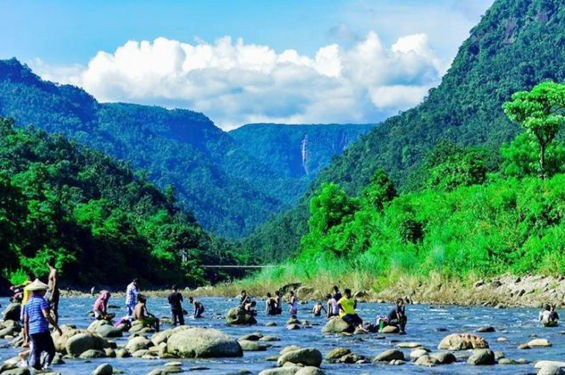
The rivers and streams around Desakuta are more than just picturesque—they are central to daily village life. Farmers irrigate their fields, children play near the water, and villagers may gather for washing or fishing. These interactions offer candid photo opportunities that blend human activity with natural beauty.The reflective surface of calm water also allows for creative shots. Sunlight reflecting on ripples, fallen leaves floating downstream, or the mirrored image of surrounding trees can add depth and interest to your compositions.
Hilltop Views
For panoramic shots, head to one of Desakuta’s nearby hills. From these elevated vantage points, photographers can capture sweeping views of rice terraces, forests, rivers, and the village itself. Sunrise and sunset provide dramatic lighting, turning the landscape into a palette of warm colors, shadows, and textures.Drone photography is especially effective from these points, allowing you to showcase the scale and layout of the village and surrounding countryside. A wide-angle lens will help capture the vastness of the scenery, while a telephoto lens is ideal for focusing on distant details.
Evening and Night Photography
As the day ends, Desakuta transforms into a peaceful, almost magical space. Villagers gather in communal areas, children play under dim streetlight or firefly-lit pathways, and the sky shifts through a spectrum of colors during sunset. Long-exposure shots of the village at dusk can create dreamlike images, while capturing stars and constellations in the clear night sky adds another dimension to your portfolio.Night photography requires patience, a stable tripod, and familiarity with your camera’s settings, but the results can be breathtaking—showcasing a quieter, intimate side of Desakuta not seen during the day.
Tips for Photographers in Desakuta
- Respect local customs and always ask permission when photographing people.
- Use natural light whenever possible; it enhances colors and textures beautifully.
- Bring a variety of lenses—wide-angle for landscapes, macro for details, and portrait lenses for people.
- Plan shoots during golden hours for the best lighting.
- Be patient and observant; the best shots often come from waiting for the perfect moment.
Conclusion
Desakuta is a photographer’s paradise, offering endless opportunities to capture landscapes, culture, and human moments. From the iconic rice terraces to hidden waterfalls, artisan workshops, and lively village streets, each location tells a story waiting to be framed. Whether you are a casual traveler or a seasoned professional, exploring these photography spots allows you to uncover the hidden beauty of Desakuta one click at a time.Every corner, every path, and every interaction is an invitation to create images that are not only visually stunning but also rich with meaning and authenticity.