

Architecture and engineering firms rely on precision, accuracy, and efficiency at every stage of a project. From early conceptual sketches to finalized construction documents, oversized drawings such as blueprints, site plans, and technical schematics are central to daily workflows. As firms continue shifting toward digital documentation and collaborative project management, having the right scanning technology in place becomes critical. Large format scanning plays a key role in helping teams work faster, reduce errors, and maintain consistent project records.
Unlike standard office scanners, a large format scanner is designed specifically to handle oversized documents without compromising clarity or scale. For architecture and engineering professionals, this capability directly impacts productivity, accuracy, and long-term document management.
Why Oversized Documents Require Specialized Scanning Equipment
Oversized documents present unique challenges that traditional scanners simply are not built to handle. Blueprints, architectural renderings, and engineering schematics often exceed standard letter or legal sizes, making them difficult—or impossible—to scan using conventional flatbed devices. Attempting to scan these documents in sections introduces risks such as misalignment, distortion, and loss of scale.
Specialized large format scanners eliminate these issues by capturing oversized documents in a single pass. This ensures that dimensions, line weights, and annotations remain accurate, which is essential when documents are used for construction, compliance, or client approvals. Precision matters in architecture and engineering, and even small distortions can lead to costly mistakes downstream.
Another key benefit is preservation. Many firms maintain physical archives of legacy drawings that must be digitized for long-term storage or renovation projects. Oversized documents are often fragile, aging, or irreplaceable. Purpose-built scanning equipment minimizes handling and reduces wear, protecting valuable records while bringing them into modern digital workflows.
While large format scanning is essential for technical drawings, firms often work with a variety of visual materials as well. Renderings, reference images, and presentation visuals benefit from high-quality image capture, making solutions like the best photo scanner relevant for firms that want to digitize both technical and creative assets alongside oversized plans.
Workflow Enhancements for CAD, Blueprints, and Technical Drawings
One of the most significant advantages of large format scanning is its impact on workflow efficiency. Architecture and engineering teams frequently collaborate across departments, offices, and even continents. Digitized blueprints and CAD drawings can be shared instantly, reviewed remotely, and integrated into project management systems without the delays associated with physical documents.
Large format scanners streamline this process by producing clean, high-resolution digital files that integrate seamlessly with CAD software and document management platforms. Instead of manually redrawing or recreating plans, teams can scan existing drawings and work directly from accurate digital copies. This saves time, reduces rework, and helps maintain consistency across project revisions.
Scanning oversized documents also improves version control. Digital files can be clearly labeled, archived, and tracked, ensuring that teams are always working from the most current version. This is particularly important on complex projects involving multiple stakeholders, where outdated drawings can lead to confusion or errors.
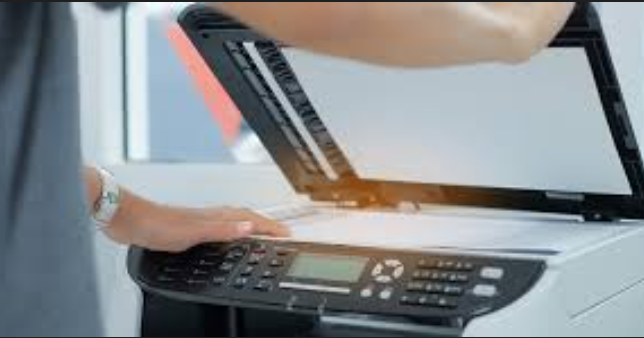
In busy offices, space efficiency also matters. While large format scanners handle oversized materials, many firms complement them with smaller devices for everyday tasks. A compact scanner can support routine document digitization, such as contracts, permits, and correspondence, allowing teams to manage both large and standard documents without bottlenecks.
Supporting Collaboration and Compliance
Digital access to oversized documents supports better collaboration between architects, engineers, contractors, and clients. Teams can annotate files, share feedback, and approve changes without needing physical copies to circulate. This accelerates decision-making and helps projects stay on schedule.
Compliance is another area where large format scanning adds value. Many architecture and engineering firms must meet strict documentation standards for regulatory reviews, audits, and record retention. Digitized drawings are easier to store securely, retrieve quickly, and back up for disaster recovery. This reduces risk while improving operational resilience.
Large format scanners also support sustainability goals. By digitizing drawings and reducing reliance on printed copies, firms can significantly cut down on paper usage and storage needs. This aligns with broader industry trends toward greener, more efficient practices.
A Smarter Investment for Growing Firms
As architecture and engineering firms scale, their document management needs grow more complex. Investing in the right scanning technology early helps future-proof operations and supports long-term productivity. Large format scanners are not just tools for digitization—they are enablers of faster collaboration, higher accuracy, and better project outcomes.
When paired with complementary scanning solutions for photos and everyday documents, firms gain a complete digitization strategy that supports every stage of a project lifecycle. The result is a more agile, organized, and efficient operation.
Driving Productivity Through Better Scanning Technology
Large format scanners play a critical role in modern architecture and engineering workflows. By enabling accurate digitization of oversized documents, improving collaboration, and streamlining integration with CAD systems, they remove common bottlenecks that slow teams down.
For firms focused on productivity, precision, and growth, investing in specialized scanning equipment is a strategic decision. With the right tools in place, architecture and engineering teams can spend less time managing documents and more time doing what they do best—designing, building, and innovating.