

Podcasts are no longer just RSS feeds pushed to passive listeners. As audio consumption matures, modern podcast platforms have evolved into hubs for discovery, SEO, audience engagement, and measurable business outcomes. For online business owners, affiliate marketers, and agencies focused on link building and organic growth, leveraging an internal communications podcast adds another strategic layer—enabling controlled distribution, targeted messaging, and consistent authority building within teams or partner networks. This article explains how contemporary platforms have evolved, which features matter most, and practical tactics to turn podcast publishing into a repeatable growth channel that drives referral traffic, high-quality backlinks, and long-term brand authority.
How Podcast Platforms Have Evolved: Discovery, Distribution, And Engagement
The early podcast ecosystem favored openness: a single RSS file, a directory listing, and a listener app. That model prioritized distribution but left discovery and engagement fragmented. Modern podcast platforms shifted the balance toward platform-native discovery, richer metadata, and integrated social features.
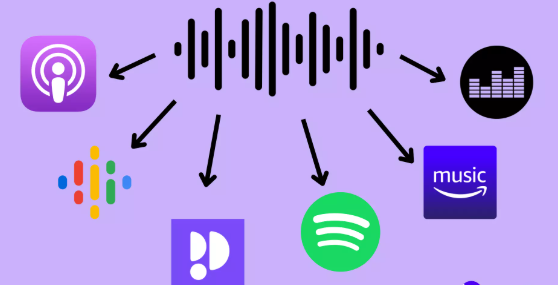
Platforms now index episode-level content, host full transcripts, and provide native search, so listeners find episodes by topic, guest, or even quoted phrases rather than just show title. Discovery is increasingly algorithmic: recommendations, personalized “for you” feeds, and curated editorial collections compete with podcast directories. Distribution still matters, most platforms still push RSS to Apple, Spotify, and Google, but discovery and engagement are where platforms add measurable value for businesses.
For marketers and link builders, this shift matters because discoverability at the episode level creates more entry points for organic traffic and backlink opportunities. When a platform exposes episode pages with unique URLs, rich metadata, and shareable assets (clips, chapter markers), each episode becomes a mini landing page that can earn links, citations, and search visibility.
Core Features To Look For In A Modern Podcast Platform
Choosing the right platform requires a checklist that maps to marketing goals, not just audio hosting. Key features include:
- Episode‑level indexing and SEO‑friendly pages: Platforms should generate unique, crawlable pages for each episode with schema markup and canonicalization controls.
- Transcripts and time‑stamped chapters: These improve accessibility and provide searchable text that search engines can index.
- Native video and clip creation: Short video or audiogram sharing drives social discovery and backlinks from embeds.
- Built‑in analytics with episode granularity: Impressions, listens, CTR, and downstream behavior (clicks to site) are essential for ROI measurement.
- Hosting, CDN, and multi‑platform distribution: Reliable delivery at scale protects listener experience and SEO signals.
- Monetization and CTA tools: Dynamic ad insertion, sponsorship management, and embedded lead capture forms make podcasts revenue-capable.
- Integrations and APIs: CMS, email, CRM, and link-building workflows should plug in to automate publishing and attribution.
A platform that bundles these features reduces manual work for agencies and marketers and increases the chance each episode performs as a discoverable asset.
Optimizing Podcast Content For Discovery And SEO
Podcast SEO combines audio-first practices with traditional on‑page optimization. To maximize discovery:
- Prioritize transcripts: Publish full, human-edited transcripts alongside episode pages. Transcripts create indexable content, increase session time, and help capture long-tail search queries.
- Optimize titles and descriptions: Use keyword‑forward episode titles and 150–300 word descriptions that include target phrases and guest names naturally.
- Use structured metadata and schema: Podcast-specific schema and episode markup help search engines associate audio with topics and people.
- Create canonical show notes pages: Rich show notes with timestamps, links to resources, and clear CTAs turn episodes into linkable assets.
- Episode clustering: Group episodes into topic clusters or series to build topical authority and internal linking between episodes.
- Repurpose into text assets: Convert episodes into blog posts, guest briefs, and quote roundups, these are link magnets.
For agencies focused on link building, the trick is treating each episode as a piece of content like a blog post. When properly optimized, episode pages can rank for informational queries, attracting organic traffic and natural backlinks.
Using Podcast Platforms To Drive Backlinks, Traffic, And Authority
Podcasting can be a cornerstone of a link-building strategy when approached deliberately:
- Leverage guest relationships: Create guest pages with bios, episode embeds, and suggested asset links guests can share. Guests often link back to episodes from their sites.
- Earn editorial mentions: Pitch themed episode roundups to industry blogs: provide embeddable audiograms and transcripts to make linking simple.
- Optimize for shareability: Use short clips and pull-quotes that publishers can embed, reducing friction for third-party coverage.
- Syndicate show notes to niche sites and newsletters: Targeted syndication to relevant publishers can generate contextual links.
- Use podcast networks and cross-promotions: Appearances on shows within the same niche produce referral traffic and co-host backlinks.
Measurement matters: track referral sources, new linking domains to episode pages, and downstream conversions. Tactics like creating guest resource pages and providing pre-formatted embed code increase the odds publishers will link, improving domain authority over time.
Audience Engagement Tools And Growth Tactics Built Into Platforms
Modern platforms include engagement features that convert listeners into repeat visitors and leads:
- In‑app chapters and timestamps: Allow listeners to jump to relevant segments, this increases session depth and the likelihood they’ll share specific clips.
- Clips, highlights, and social exports: Native tools to create short, shareable clips make distribution to Twitter/X, LinkedIn, and Instagram frictionless.
- Comments, reactions, and Q&A: Community features keep listeners on-platform and provide content ideas for future episodes.
- Embedded CTAs and lead magnets: Offer downloadable resources, gated content, or newsletter signups directly on episode pages.
- Listener analytics and cohorts: Segment engaged listeners and retarget them with targeted outreach or paid campaigns.
For agencies, these tools support growth tactics: run clip-driven ad tests, A/B test CTAs in episode pages, and use comments to identify high-intent topics for link prospecting. The platform becomes both a publishing tool and a conversion engine.
Integrations, Analytics, And Workflows For Agencies And Marketers
Scalable podcast operations depend on integrations and automation:
- CMS and website integrations: Episode pages should sync to existing CMS (WordPress, headless CMS) with correct canonical tags.
- Analytics ingestion: Export impressions, listens, CTR, and source data into dashboards (Looker, Data Studio) for client reporting.
- CRM and email integration: Push guest and listener leads into CRM sequences automatically for outreach and follow-up.
- API access and webhooks: Automate publishing, update show notes, and trigger repurposing workflows when episodes go live.
- Workflow automation: Use Zapier or native automations to create tasks for transcript editing, asset generation, and backlink outreach.
Key metrics for marketers include episode-level CTR, impressions, new referring domains, and downstream conversions. Clear SLAs and templates for outreach (guest follow-up, link requests, syndication proposals) reduce friction and make podcast-driven link building repeatable.
Conclusion
A modern podcast platform is not just a hosting solution: it’s a discovery and engagement engine that can feed SEO, backlinks, and business growth. When platforms expose episode-level pages, transcripts, and shareable assets, and when they integrate with CMS, analytics, and outreach workflows, podcasting becomes a predictable channel for acquiring traffic and authority.