

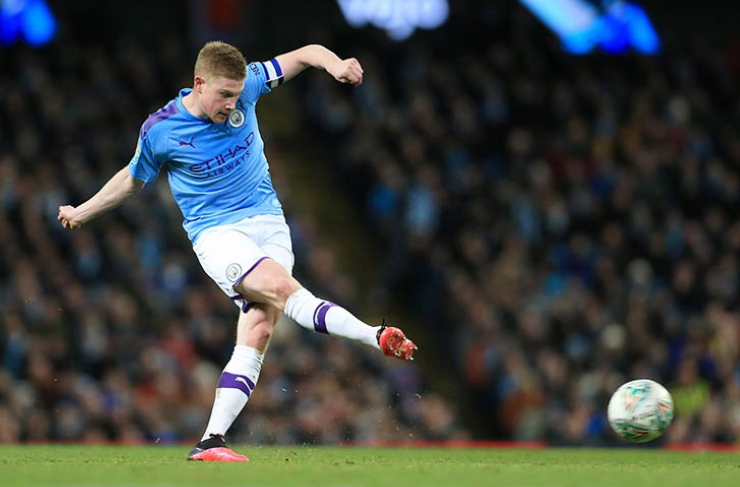

Passing is the heartbeat of football, defining how a team controls the game and creates opportunities. From quick short flicks to precise long balls, mastering the art of passing separates great players from the rest. In this article, we will explore the techniques, vision, and decision-making that allow playmakers to dictate the flow of matches, turning possession into goal-scoring chances with skillful distribution.
Introduction To Playmaker Passing
Passing is often considered the lifeblood of football, and nowhere is this more evident than in the role of a playmaker. A playmaker is not just another player on the pitch; they are the orchestrator, the one who dictates the rhythm of the game, decides when to accelerate play, and identifies opportunities that others might overlook. Their ability to distribute the ball efficiently whether through short flicks in tight spaces or long, precise passes across the field can turn a defensive situation into a goal-scoring opportunity in seconds.
Understanding playmaker passing begins with appreciating its dual purpose: maintaining possession and creating chances. Short passes and quick flicks allow teams to navigate high-pressure situations, keep the ball moving, and maintain control in the midfield. On the other hand, long passes require vision, timing, and accuracy, enabling a team to switch play, exploit open spaces, and catch opponents off guard. Mastery of both styles ensures that a playmaker can adapt to any scenario, making them indispensable for modern football strategies.
For fans eager to see these skills in action, knowing where to observe top-tier playmakers is crucial. Platforms like where to watch football – Cakhiatv provide access to live matches, allowing viewers to study passing patterns, decision-making, and creativity at the highest level. By analyzing these moments, aspiring players and enthusiasts alike can better understand the art of playmaker passing, appreciating how subtle choices with the ball can shape the outcome of a match.
Short Passes And Quick Flicks
Short passes and quick flicks form the foundation of a playmaker’s game, allowing teams to maintain possession, control the tempo, and navigate tight spaces. Mastering these techniques requires precision, timing, and an understanding of the game’s flow. In this section, we’ll break down the essential aspects of short passing and flicking for aspiring playmakers.
Techniques For Accurate Short Passing
Accurate short passes rely on proper body positioning, weight distribution, and foot placement. Using the inside of the foot is the most common approach, providing control and consistency. Practicing these passes at varying speeds and angles helps players react effectively under pressure. Even small touches can make a significant difference in retaining possession, particularly in congested midfield areas.
One-Touch And Flick Passes
One-touch passes and flicks are crucial for quick transitions and breaking defensive lines. A well-executed flick can surprise opponents, allowing a teammate to receive the ball in stride or exploit open space. These techniques demand excellent spatial awareness and confidence in timing. Repeated practice, both individually and in small-sided games, develops instinctive decision-making, enabling a player to execute them naturally during match situations.
Situational Use Of Short Passes
Knowing when to use short passes versus quick flicks is vital. Short passes are ideal for maintaining control and building structured attacks, while flicks are effective for sudden bursts of pace or bypassing opponents. Understanding these situational applications separates average passers from true playmakers. As football expert Mai Chau emphasizes, a great playmaker combines technical skill with tactical awareness, ensuring every pass contributes to the team’s momentum and strategic goals.
Long Balls And Visionary Passing
Long balls are a vital tool in a playmaker’s arsenal, allowing teams to switch play, exploit open spaces, and launch fast attacks. Unlike short passes, long-range distribution requires a combination of power, precision, and tactical insight. Visionary passing goes beyond technique; it demands an understanding of teammates’ positions, opponents’ weaknesses, and the rhythm of the game. In this section, we explore the key aspects of long balls and how playmakers use them effectively.
Mastering Long-Range Distribution
Executing a successful long ball begins with proper technique. Players must balance power and accuracy, often using the instep or side-foot to control trajectory and direction. Practicing varying distances and heights helps develop adaptability in different match scenarios. Mastering long-range passes allows a playmaker to quickly shift the attack from one side of the field to the other, creating opportunities that can catch defenders off guard.
Reading The Game For Effective Long Passes
Vision is critical for effective long passing. A playmaker must anticipate teammates’ runs, identify gaps in the opponent’s formation, and choose the right moment to release the ball. Constant awareness of the field ensures that each pass has maximum impact. Observing professional matches can help players learn how top playmakers assess space, time their passes, and influence the game with precision.
Switching Play And Creating Space
One of the most strategic uses of long balls is switching play to open areas. By moving the ball quickly from congested zones to wide positions, playmakers stretch the opponent’s defense, creating space for attacks. This approach not only destabilizes defensive structures but also allows teammates to exploit opportunities in isolated areas. Combining accurate long passes with intelligent movement ensures that the team maintains offensive momentum and unpredictability.
Mastering long balls and visionary passing elevates a player’s influence on the game. By combining technical skill with tactical insight, a playmaker can control the flow of the match, turning mere possession into decisive, goal-scoring opportunities.
Conclusion
Mastering the art of playmaker passing from precise short flicks to strategic long balls is essential for controlling the game and creating scoring opportunities. A true playmaker combines technical skill, vision, and tactical awareness to dictate tempo and exploit spaces effectively. By practicing these techniques, players can enhance their influence on the pitch, elevate team performance, and transform possession into decisive moments. Passing, in its many forms, remains a cornerstone of modern football excellence.