

 Not long ago, losing signal meant one thing: you were on your own. Whether you were hiking in the mountains, sailing offshore, or driving through a remote desert, your smartphone instantly turned into a camera and nothing more. That’s changing fast.
Satellite communication is no longer reserved for bulky emergency gear. It’s quietly becoming one of the most meaningful upgrades in modern flagship smartphones—and for outdoor users, it’s turning everyday devices into real safety tools.
Why traditional connectivity isn’t enough anymore
4G and 5G coverage maps look impressive, but step outside major cities and reality kicks in. National parks, rural highways, high-altitude trails, and open water still have large dead zones. For people who camp, trek, cycle long distances, or even travel frequently between regions, this isn’t a niche problem—it’s a predictable one.
That’s where satellite messaging comes in. Instead of relying on ground-based towers, the phone connects directly to satellites, allowing users to send location data or emergency messages even when there’s zero cellular coverage.
From a safety perspective, that’s a massive shift.
From “nice to have” to essential
Outdoor communities used to carry separate devices for this: GPS beacons or satellite communicators. Now that functionality is moving into flagship smartphones, which people already carry everywhere.
This matters for two reasons:
- Accessibility – More users get access to emergency communication
- Speed – No need to switch devices in critical situations
And in real-world scenarios, speed is everything.
Real use cases beyond extreme adventures
It’s easy to assume this feature is only for mountaineers. In reality, it’s useful for:
- Road trips across low-coverage regions
- Field researchers and survey teams
- Outdoor content creators
- Cyclists and trail runners
- Disaster situations where ground networks fail
In these moments, being able to send your location or a short message can make a life-saving difference.
Hardware, software, and power management all matter
Satellite connectivity isn’t just about adding a new radio module. It requires:
- Strong antenna design
- Efficient power usage
- Smart software compression for short burst messaging
- Reliable positioning systems
This is why it’s appearing first in high-end devices. It demands tight integration between chip, OS, and communication architecture.
That kind of system-level engineering is what separates a checkbox feature from something people can actually rely on in the field.
The role of flagship innovation
Some of the latest premium smartphones are pushing this concept further by combining satellite messaging with advanced positioning systems and dedicated outdoor modes. In practical terms, that means:
- Faster location lock
- Clearer signal acquisition
- Better battery endurance during emergency use
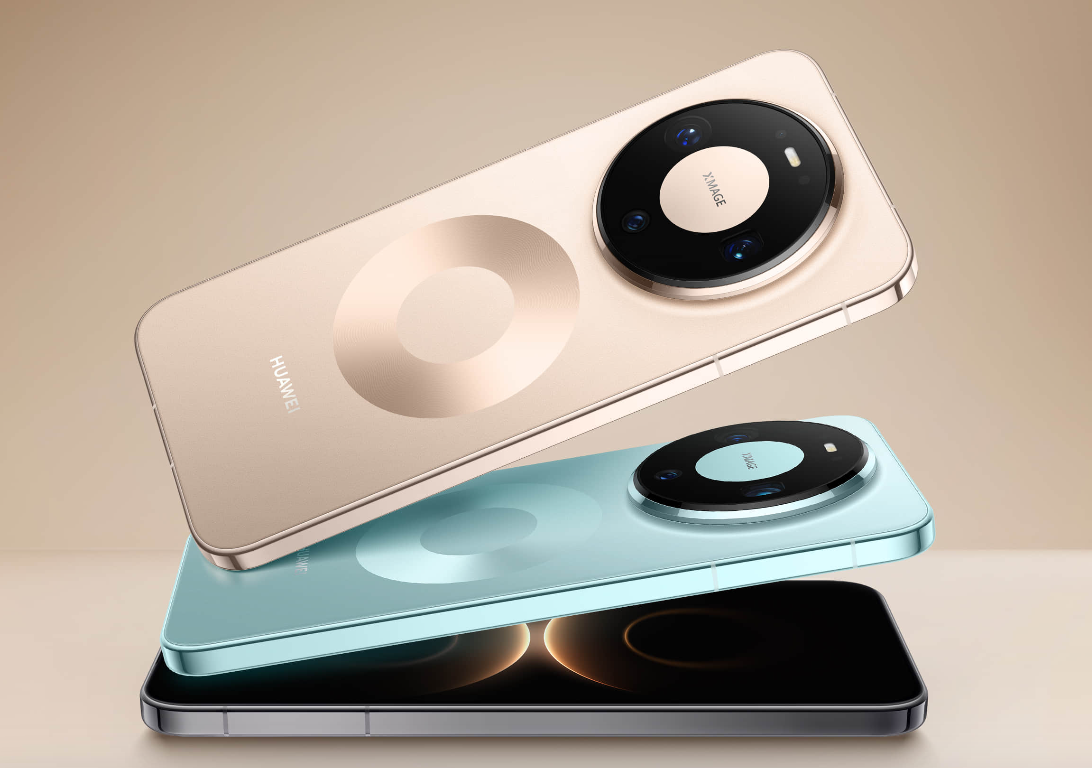
Devices like the Huawei Mate 80 Pro show how this technology is evolving from an experimental add-on into a core part of the flagship experience. The focus is no longer just on performance scores or camera specs—it’s on real-world survivability and reliability.
And that reflects a broader industry trend: smartphones are becoming personal safety hubs.
Battery life becomes part of the safety equation
A satellite feature is useless if your phone dies halfway through a hike. That’s why large batteries and ultra-fast charging are now closely tied to outdoor usability.
Users don’t think in terms of milliamp hours. They think:
“Will this phone still work at the end of the day if something goes wrong?”
Endurance is trust.
A shift in how we define a “premium” phone
For years, the flagship conversation was dominated by:
- Benchmarks
- Display brightness
- Camera zoom numbers
Those still matter—but there’s a new metric entering the discussion:
Can this device keep you connected when nothing else can?
That’s a much more human definition of innovation.
What this means for the future
Satellite communication won’t stay exclusive to ultra-premium models forever. Like high refresh-rate displays and fast charging, it will gradually move down the price ladder.
But right now, it represents something bigger than a spec sheet upgrade. It signals a shift in smartphone priorities—from pure entertainment tools to dependable, all-environment companions.
For outdoor users, travelers, and professionals working beyond city limits, that shift isn’t just exciting.
It’s long overdue.