

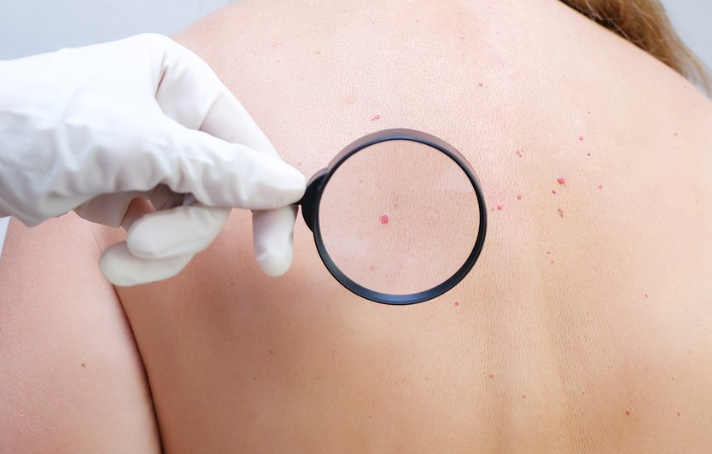
The skin is the largest organ of the human body and it protects our body from various types of harmful external factors, germs, and ultraviolet rays. But for various reasons, the serious disease skin cancer can occur in this skin. Currently, skin cancer has become a common but worrying health problem around the world. The number of skin cancer patients is also gradually increasing in Bangladesh. In this article, we will discuss the causes, symptoms, and treatment of skin cancer in detail.
What is skin cancer?
Skin cancer is a type of abnormal cell growth disease, where skin cells grow abnormally and spread uncontrollably. These cells usually form in the outer layer of the skin. Skin cancer can be mainly of three types
- Basal Cell Carcinoma (BCC)
- Squamous Cell Carcinoma (SCC)
- Melanoma
Melanoma is the most deadly and fastest-spreading cancer.
Causes of skin cancer
There are multiple factors behind the development of skin cancer. The main causes are listed below:
Exposure to excessive sunlight and ultraviolet (UV) rays
The sun’s UV rays damage the DNA of skin cells, which can cause abnormal cell growth. Those who work in the sun or are exposed to sunlight for a long time are at higher risk.
Fair or light skin
Those with light skin and less melanin are more easily affected by the sun’s harmful rays.
Genetic factors
If someone in the family has skin cancer, the risk increases for other members as well.
Exposure to chemicals
Long-term exposure to arsenic, tar, or petroleum products can cause skin cancer.
Radiation exposure
Skin cancer can be caused by previous medical or industrial radiation exposure.
Weak immune system
Those with a weakened immune system due to AIDS or organ transplant drugs are at higher risk of developing this cancer.
Skin Cancer Symptoms
Skin cancer symptoms often appear like common skin problems, which many people do not pay attention to at first. But it is important to consult a doctor if the following symptoms appear:
- New spots or lumps appear on the skin
- Changes in the size, color or shape of old moles
- Sores or wounds form on any part of the skin and do not dry for a long time
- Cracked or bleeding areas appear on the skin
- Hard lumps or swelling under the skin
- Pain, itching or burning sensation in any part of the skin
These symptoms are especially common on the face, neck, ears, hands, or upper parts of the feet, because these parts are usually exposed to sunlight.
Types of skin cancer
Basal Cell Carcinoma (BCC)
This is the most common skin cancer. It usually appears around the mouth, throat or nose and grows slowly. It rarely spreads to other parts of the body.
Squamous Cell Carcinoma (SCC)
It grows relatively quickly and can spread to other parts of the body. It is more common in areas of skin exposed to sunlight.
Melanoma
This is the most serious skin cancer. It can quickly spread to other parts of the body through the blood and lymph.
Diagnosis of skin cancer
- To diagnose skin cancer, the doctor first examines the affected area of the skin. If necessary, the following tests are performed:
- Skin Biopsy: A small piece of skin is collected and tested in a laboratory.
- Dermatoscopy: A special instrument is used to view skin spots or moles in detail.
- Imaging Tests (CT, MRI): These tests are used to determine whether the cancer has spread to other parts of the body.
Skin Cancer Treatment
The treatment of skin cancer depends on the type, stage, location of the cancer, and the patient’s health. Below are some common treatment methods:
- Surgery
The affected area is cut out. This is the most effective treatment for early-stage skin cancer.
- Mohs Surgery
A special type of surgery in which cancer cells are removed layer by layer. It is mainly used in areas like the face where it is important to maintain beauty.
- Cryotherapy
Cancerous cells are frozen using liquid nitrogen and destroyed.
- Radiation Therapy
If surgery is not possible, radiation is used to destroy cells.
- Chemotherapy
If skin cancer has spread to other parts of the body, chemotherapy is used.
- Immunotherapy and Targeted Therapy
Strengthen the patient’s immune system and help destroy cancer cells.
Ways to prevent skin cancer
- Use an umbrella, hat, and sunscreen (SPF 30 or higher) when going out in the sun.
- Avoid sunlight between 10 am and 4 pm.
- Monitor new moles or skin changes regularly.
- Avoid smoking and alcohol consumption.
- Regularly consult the best dermatologist, especially if you notice any unusual changes in the skin.
Summary
Skin cancer is a preventable disease, if detected and treated on time. Awareness, regular skin examinations, and following the advice of a specialist doctor can reduce the risk of this disease to a great extent.
Do not ignore any abnormal changes in the skin, contact one of the best dermatologists in Dhaka immediately. Early detection and treatment can be the first step to a healthy life.